DockWise · Boat handling
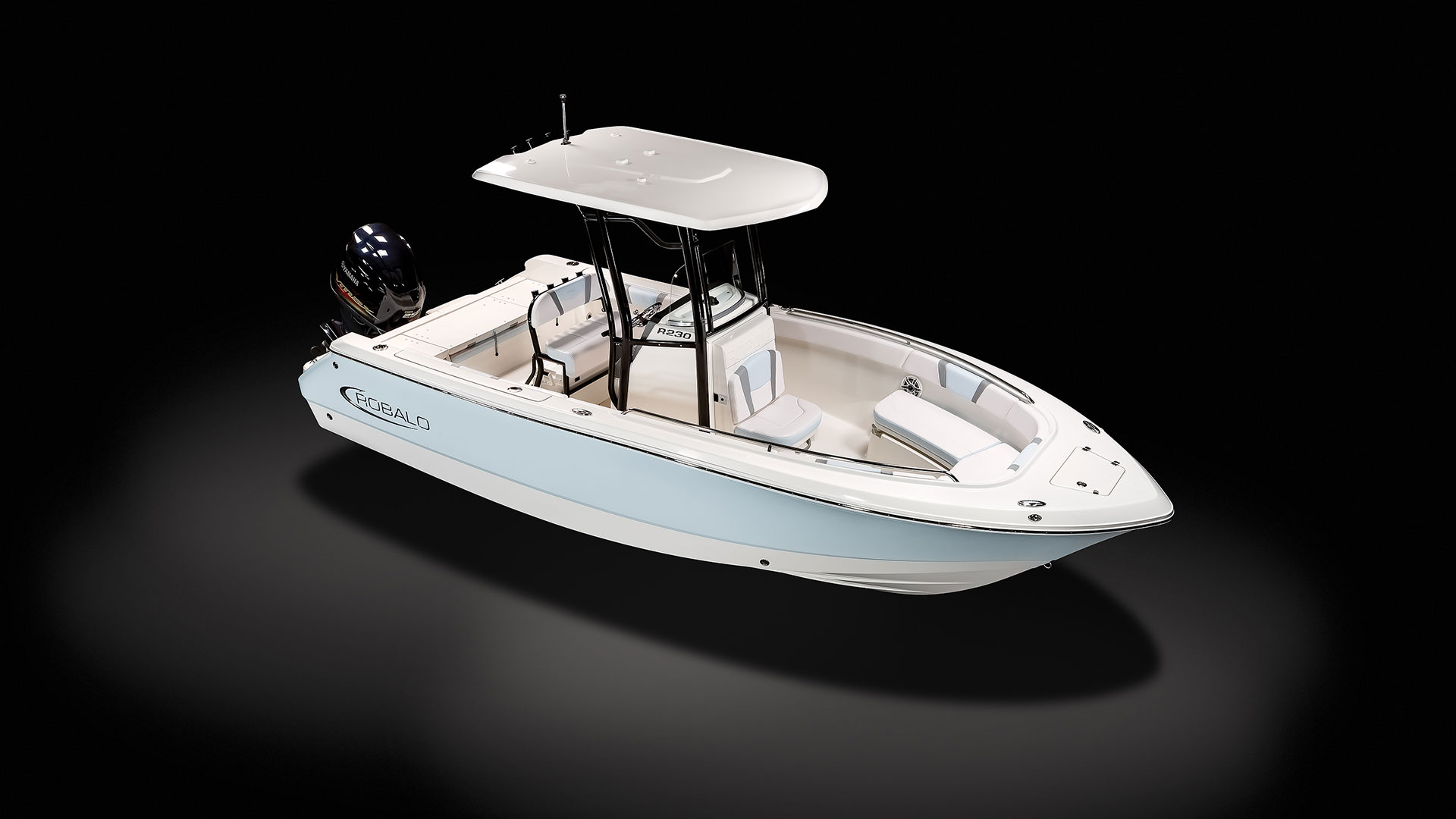
Sample report2023 Robalo R230
Manageable Handling
This boat should be manageable for many boaters, but it needs more attention during low-speed maneuvering and docking.
The buyer's read on this boat
General guidance for someone considering this boat. It is not a judgment about any individual boater's readiness.
- Best suited to
- Boaters comfortable maneuvering a smaller recreational boat, including routine docking.
- Biggest adjustment
- Wind moves this boat noticeably, so breezy days call for a slower, earlier approach.
- What helps
- Its single outboard gives you good steering control.
Three handling takeaways
Its moderate profile makes wind more noticeable while maneuvering.
At 23 ft and 4,400 lb published displacement, its size and weight keep momentum manageable.
A single engine keeps the helm and control arrangement straightforward. The boat itself still asks for attention when maneuvering at low speed.
Independent local instructors who teach on your boat, at your dock. Booking opens for the 2027 season: browse instructors or get matched now.
What sits behind these figures
Handling model coverage · 93%
93% of the weighted handling model could use supported boat details. Missing or unsettled refinements were left out, not guessed.
Source confidence · Moderate
How strongly the boat information is supported, including whether sources agree. It does not raise or lower the handling-demand result.
DockWise handling profile
Six factors that shape the result
Lower numbers mean easier handling. Higher numbers mean this boat requires more attention and skill in that area.
Momentum & Stopping
The starting point is 4,400 lb (published displacement) at 23 ft overall; outboard power helps limit how much way it carries.
Wind Sensitivity
With its moderate profile, relatively low weight for its length (191 lb per foot) and shallow draft increase wind sensitivity.
Low-Speed Control
The single outboard provides useful steerable thrust, but without a second engine, thruster or joystick, low-speed maneuvering asks for more deliberate use of steering and forward/reverse.
Directional & Reverse Control
The outboard turns its thrust with the engine, giving useful steering control in both forward and reverse.
Control Systems
The starting point is a single engine; single wheel single lever at the helm helps limit how much there is to manage at the helm.
Water & Hull Sensitivity
Its Deep-V hull and 20° of deadrise give it a sharp entry that helps reduce the effect of wake and chop.
- Exact overall score
- 32.5
- DockWise method used
- boat-handling-difficulty-3
- Boat information used
- vessel-1
- Describes
- Model configuration evaluated (published model information)
- Weight used
- Published displacement · 4,400 lb
- Weighting evaluated
- 100 of 100
- Handling model coverage
- 93%
- Starting point: 4,400 lb (published displacement) at 23 ft overall17
- outboard power-8
- its moderate profile45
- relatively low weight for its length (191 lb per foot)+11.9
- shallow draft+3.6
- steerable outboard power58
- a single engine0
Final Low-Speed Control demand: 100 − 58 = 42/100. Each bonus above adds control authority; more authority means lower demand.
- steerable outboard power26
Optional detail completeness: 50%. Missing details were left out, not guessed.
- Starting point: a single engine15
- single wheel single lever at the helm-5
Optional detail completeness: 83%. Missing details were left out, not guessed.
- Starting point: a deep v hull34
- 20 degrees of deadrise, a sharp entry that cuts through wake-2
Optional detail completeness: 50%. Missing details were left out, not guessed.
Overall score = each assessed dimension's demand weighted by its own weight, divided by the weighting actually available (100 of 100). Dimensions that could not be assessed are left out entirely rather than given a default value. No overall figure is stated below 60% of the total weighting.
All six handling areas were scored. Some areas have fewer optional details available for refinement.
A low figure means the engine setup does more of the work for you.
Every approach still needs a slow, deliberate plan; this describes the boat, not the day, and conditions and the people aboard always matter.
Some details that shape handling are still unknown.
No typical loaded weight was supplied, so the builder's published weight was used.
Evidence confidence describes the data behind this result. It does not change it.
This describes the boat, not the person operating it, and not today's conditions. A low handling-demand figure means the boat's own characteristics are comparatively favorable; it does not mean docking is easy, that no skill is required, or that nothing can go wrong. DockWise makes no accident-likelihood, insurance or safety guarantee.